
What to Say to Police After a Car Accident
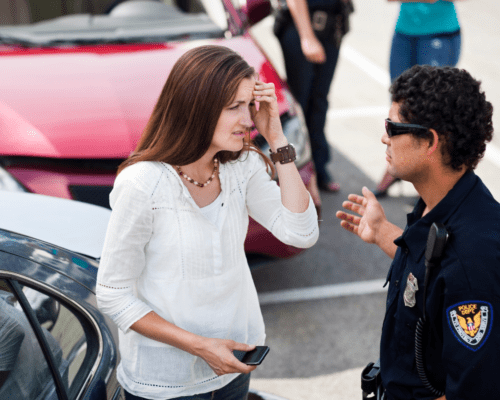
In order to protect your legal and financial interests in Pasadena, talking to the police after a car accident requires careful consideration. Being mindful of your words can help avoid unnecessary complications while ensuring accurate documentation of the event. But how do you ensure that your statements help your case rather than harm it?
Why What You Say to the Police Matters After a Car Accident
When a car accident occurs, your statements to the police can have long-lasting consequences. The police report created from your interaction becomes a key piece of evidence in determining fault, insurance payments, and legal liability. Knowing what to say and what not to say after a car accident can significantly impact how your case is resolved.
Legal Ramifications of Statements Made to Police
Your statements when talking to police after an accident can be used in legal proceedings. If you admit fault or make speculative comments, these could be included in the police report, potentially working against you in court. For example, saying, “I didn’t see the other car” or “It was my fault” may be interpreted as an admission of liability, even if the other driver was primarily responsible.
Additionally, any discrepancies between your initial statements and later accounts can be used to undermine your credibility. It is vital to know how to handle police after a crash. Ensure your statements are factual, clear, and concise.
Impact of Your Words on Insurance
Insurance companies rely heavily on the police report to assess claims. If your statements suggest fault, the at-fault driver’s insurance may use this as justification to deny or reduce your compensation. Similarly, your insurance provider may cite your words to limit coverage. Be aware of these police report car accident tips so you don’t unintentionally damage your legal rights after a car accident.
What to Say to the Police After a Car Accident
Communicating effectively with the police at the scene can safeguard your rights and interests. Some of the best practices for car accident statements are as follows:
Basic Information You Should Provide
When speaking to the police, providing essential information without over-explaining or speculating is important. Here are five key details you should share:
- Your name and contact information: Provide your full name, phone number, and address. This establishes your identity and ensures you can be contacted for follow-up.
- Insurance details: Share your insurance provider’s name and policy number. These details are standard information required for the police report.
- Driver’s license and vehicle registration: Present your driver’s license and vehicle registration upon request. These documents verify that you can legally operate your vehicle and provide proof of ownership.
- Accurate description of the accident: Stick to factual details such as the time, location, and sequence of events. For instance, say, “I was traveling at 30 mph when the collision occurred,” rather than speculating about the other driver’s intentions or behavior.
- Injuries and vehicle damage: Mention any visible injuries and describe the damage to your vehicle. These details help the police document the extent of harm caused by the accident.
What You Should Avoid Saying
Equally important to what you say is knowing what not to say. Avoiding mistakes after a car accident is to be careful about your statements:
- Apologizing or admitting fault: Avoid phrases like “I’m sorry” or “It was my fault.” These statements can be interpreted as an admission of liability, even if you were not entirely to blame.
- Speculating about the cause: Don’t guess or make assumptions about what caused the accident. Stick to the facts as you experienced them and let the investigation determine fault.
- Exaggerating or downplaying injuries: Avoid saying “I’m fine” if you’re unsure about the extent of your injuries. Adrenaline can mask pain, and some injuries, like whiplash or internal damage, may not manifest immediately.
- Criticizing the other driver: Refrain from making accusatory or inflammatory remarks about the other driver. Such statements could escalate tensions and detract from the professionalism of the interaction.
- Discussing fault: Never speculate about who is at fault. Describe what you observed without assigning blame.
Remaining Calm and Cooperative During Police Interactions
Your demeanor can influence how the police perceive you and document the incident. Here are tips to stay composed:
- Take deep breaths to manage stress and anxiety.
- Answer questions politely and directly.
- Avoid interrupting or arguing with others involved in the accident.
Remaining calm ensures that your statements are clear and prevents misunderstandings.
What to Do if You Said the Wrong Thing
You may have had concerns and wondered, “Should I talk to the police after a car accident? “It’s easy to make mistakes under the pressure of a car accident. If you realize you said something inaccurate or potentially harmful, there are steps to correcting a police report mistake:
If you notice an error in the police report, act promptly. Correcting inaccuracies is critical in preventing such statements from being used against you in legal or insurance proceedings.
- Contact the police department: Reach out to the officer who filed the report and explain the discrepancy. Be prepared to provide supporting evidence, such as photos, witness statements, or medical records.
- Submit a written statement: In some jurisdictions, you can file an amended statement to clarify or correct your original account. Check with the police department for their process.
- Involve your lawyer: If the mistake has serious implications, consult your lawyer. They can guide you in addressing the error without jeopardizing your case.
The Role of a Lawyer After a Car Accident
Navigating the aftermath of a car accident can be complicated, particularly when dealing with police reports, insurance companies, and legal claims. A Pasadena car accident attorney can provide invaluable support, such as:
- Professional guidance: An attorney can explain your rights, obligations, and potential outcomes, ensuring you make informed decisions.
- Evidence collection: Your lawyer will gather and preserve evidence, such as medical records, photos, and witness statements, to strengthen your case.
- Negotiating with insurance companies: Attorneys are skilled negotiators who can counter lowball offers and push for fair compensation for medical bills, lost wages, and other damages.
- Handling legal documentation: Filing claims and responding to legal paperwork can be overwhelming. Your lawyer will handle these tasks efficiently, saving you time and stress.
- Representation in court: If your case goes to trial, your attorney will advocate for you and present a compelling argument to secure a favorable outcome.
Call Vardanyan Law Firm Today
After a car accident, safeguarding your rights begins with being careful of what you communicate to the police. Knowing how to handle these interactions can significantly impact your case.
Vardanyan Law Firm has a seasoned car accident lawyer in Pasadena who is dedicated to ensuring you receive the compensation you deserve. For legal advocacy and skilled representation, contact us today at (747) 777-9725.