
Do You Know What to Do After a Motorcycle Accident?
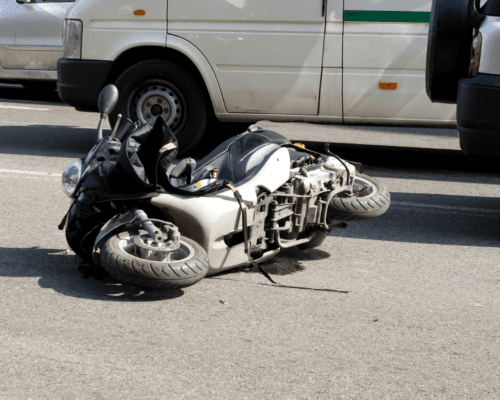
Motorcyclists face significantly higher risks on the road, as their exposure makes them more vulnerable to severe injuries. According to the National Highway Traffic Safety Administration (NHTSA), motorcyclists are 28 times more likely to die in crashes than passengers in cars.
Knowing what to do in a motorcycle accident is critical. These actions can protect your health, help secure fair compensation, and preserve your legal rights. Being proactive during this time can make a significant difference to your recovery and the outcome of your case.
Ensure Your Safety and Check for Injuries
Adrenaline from the crash may temporarily mask pain, so even if you feel fine, be cautious. Staying calm and prioritizing your well-being is essential to navigating the situation effectively.
Assess Yourself and Others for Injuries
After a crash, check yourself and others involved for visible injuries. Common injuries in motorcycle accidents include:
- Fractures: Fractures occur when bones break due to impact. Commonly affected areas include wrists, arms, legs, and collarbones, often caused by bracing for falls or being trapped under the bike. Severe cases may require surgery.
- Road rash: Road rash occurs when skin scrapes against pavement, causing abrasions. Severity ranges from mild redness to deep wounds, sometimes requiring skin grafts to prevent infection and scarring.
- Head trauma: Head trauma includes concussions, skull fractures, or brain injuries, often due to impact or inadequate helmet use. These injuries can cause long-term cognitive or physical impairments.
If you or someone else is seriously injured, avoid moving them unless it is necessary to prevent further harm. Administer basic first aid if you are trained and it’s safe to do so. Even if injuries seem minor, it’s crucial to proceed with caution, as some injuries, like concussions or internal bleeding, may not show symptoms immediately.
Move to Safety (If Possible)
If you’re physically able, move yourself and your motorcycle to the side of the road or another safe location to prevent further accidents. However, if you suspect you have severe injuries, avoid moving unnecessarily to prevent exacerbating your condition.
Call 911 for Medical Assistance
Seeking medical attention after a motorcycle crash is essential. Contact emergency services, even in minor accidents. Paramedics can assess injuries, and police officers can secure the accident scene and document the incident. Quick medical attention can make a significant difference in your recovery, and a police report serves as an official record that may support your case later.
Call the Police and File an Accident Report
Regardless of the severity of the crash, it’s essential to call the police and file an official accident report. This documentation is crucial for legal and insurance purposes.
Why You Need a Police Report
A police report serves as an unbiased, official record of the accident. It includes important details such as the crash’s time, location, and circumstances, as well as statements from the parties involved and any witnesses. The police report can be invaluable for:
- Filing a motorcycle accident insurance claim.
- Proving fault in legal disputes.
- Supporting your case in court, if necessary.
Without a police report, it may be difficult to establish liability or secure fair compensation for your losses.
Give a Factual Account to the Police
When reporting a motorcycle crash, provide a clear and factual account of the accident. Avoid speculating about what happened or admitting fault. Instead, focus on the specific actions leading up to the crash. Request a copy of the police report as soon as it’s available for your records.
Exchange Information with the Other Party
Like in a car accident, exchanging information with the other driver or involved parties is critical in resolving insurance claims and potential legal issues.
Information to Collect at the Scene
Gather the following details from the other party:
- Full name and contact information.
- Driver’s license number.
- Vehicle make, model, and license plate number.
- Insurance company name and policy number.
Take photos of the ID, insurance card, and vehicle damage if possible. These images ensure you have accurate and complete information for the claims process.
Gather Witness Information
If there were any witnesses to the accident, ask for their names and contact details. Witness testimony can be crucial in resolving disputes about fault and establishing what happened during the crash. Be polite and thank them for their assistance.
Document the Accident Scene
Thoroughly documenting a motorcycle accident scene can significantly strengthen your case, whether you’re filing an insurance claim or pursuing legal action.
Take Photos and Videos of the Scene
Use your phone to capture as much detail as possible. Key elements to document include:
- Damage to your motorcycle and the other vehicle.
- Your injuries and any visible damage to your protective gear.
- Road conditions, skid marks, debris, or obstacles.
- Traffic signals, signs, or landmarks near the scene.
Visual evidence can help clarify what happened and support your claim during negotiations with the insurance company or in court.
Note Road and Weather Conditions
Environmental factors, such as wet roads, poor lighting, or heavy traffic, can play a role in causing motorcycle accidents. Write down observations about the weather, road conditions, and visibility at the time of the crash, as these details may impact the determination of fault in a motorcycle accident.
Seek Medical Attention Even If You Feel Fine
Getting medical attention after a motorcycle accident is critical, even if you believe you’re uninjured. Prompt evaluation and treatment can prevent complications and establish a record of your injuries.
The Importance of Seeing a Doctor After an Accident
Some injuries, like whiplash or internal organ damage, may not show symptoms until hours or days after the crash. A doctor can thoroughly examine and identify injuries that need immediate attention. Seeking medical attention after a motorcycle crash also creates an official record of your injuries, which can be used to support your insurance or legal claim.
Keep Records of All Medical Appointments
Keep detailed records of all medical care related to the accident, including:
- Doctor’s notes and diagnoses.
- Prescriptions and treatments.
- Receipts and bills for medical expenses.
These documents are essential for proving the extent of your injuries and obtaining fair compensation in a personal injury claim.
Notify Your Insurance Company
Once you’ve addressed immediate safety and medical concerns, notify your insurance company about the accident. Prompt reporting is typically required under the terms of your policy.
How to File an Insurance Claim
Provide your insurance company with all relevant documentation, such as:
- The police report.
- Photos and videos of the scene.
- Witness statements and contact information.
- Medical records and repair estimates.
Be clear and concise in your communication with the insurer. Stick to the facts and avoid speculating about fault.
Understanding Your Insurance Coverage
Familiarize yourself with your motorcycle insurance policy to understand what is covered. Coverage may include:
- Medical payments coverage.
- Liability coverage for damages to others.
- Comprehensive or collision coverage for repairs to your bike.
Knowing your coverage can help you manage expectations during the claims process and negotiate effectively.
Common Mistakes to Avoid After a Motorcycle Accident
Avoiding common pitfalls can protect your rights and strengthen your case.
Admitting Fault or Apologizing
Do not admit fault or apologize at the scene, even if you believe you were partially responsible. The driver who is at fault will be determined through evidence, witness statements, and police reports, and prematurely admitting fault could harm your case.
Failing to Document the Accident
Forgetting to take photos, gather witness information, or file a police report can weaken your ability to prove what happened and secure fair compensation. Make documentation a priority before leaving the scene.
How a Lawyer Can Help with Your Claim
A Pasadena motorcycle accident attorney can provide valuable legal advice after a motorcycle accident. Experienced lawyers can do the following:
- Negotiate with insurance companies on your behalf.
- Gather additional evidence to support your case.
- Advocate for fair compensation for medical expenses, lost wages, and other damages.
Contact Vardanyan Law Firm for Legal Assistance
If you’ve been involved in a motorcycle accident in Pasadena, consult an attorney for motorcycle accident claims for legal advice.
At Vardanyan Law Firm, we guide you through every step of the claims process. Call (747) 777-9725 today to schedule a free consultation.