
Common Injuries From Slip-and-Fall Accidents
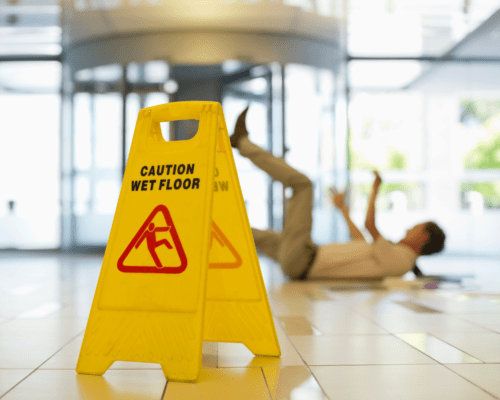
Slip-and-fall injuries can happen to anyone and may result in serious medical issues for the victim, including fractures and traumatic brain injuries. If you’ve been injured from a slip-and-fall accident, see your doctor right away and follow their treatment instructions.
Fractures and Broken Bones
Fractures and broken bones are common slip-and-fall injuries. These occur when the impact of a fall is too strong for the bone to withstand.
Wrist Fractures
Wrist fractures occur when people attempt to use their hands to break the fall. These injuries may require a cast, surgery, and weeks of recovery.
Hip Fractures
Hip fractures, which are more prevalent among older adults, often need surgical intervention and lengthy rehabilitation.
Ankle and Leg Fractures
Twisting an ankle or leg during a fall can lead to fractures that may require immobilization or surgery. These injuries can be severe, sometimes requiring months of physical therapy.
Soft Tissue Injuries
Soft tissue damage from slip-and-fall accidents is another frequent outcome. While these injuries are not as immediately noticeable as broken bones, they can still cause significant discomfort.
Sprains and Strains
A sprain involves the stretching or tearing of ligaments, which are the fibrous tissues that connect bones. This type of injury is often seen in ankles, resulting from awkward landings during a fall. Symptoms include pain, swelling, and bruising. On the other hand, strains affect muscles or tendons, leading to pain, muscle spasms, and weakness. They often affect the back and shoulders when the body experiences sudden jolts.
Both sprains and strains cause significant discomfort and restrict movement. Initial treatment usually involves rest, ice, compression, and elevation (RICE) to reduce swelling and pain.
Torn Ligaments
Severe falls can result in torn ligaments, particularly in the knees or shoulders, which might need surgical repair. Symptoms like swelling, bruising, and pain in the affected area are typical indicators of soft tissue damage.
Contusions (Bruising)
A contusion is another word for bruising. This occurs when small blood vessels break under the skin, causing discoloration and tenderness. Large contusions may lead to significant swelling and stiffness in the affected area, impacting mobility. While most bruises heal over time without medical intervention, persistent pain or swelling may require a doctor’s evaluation to rule out more serious underlying injuries.
Head and Brain Injuries
Head injuries should never be ignored after a slip-and-fall because they can have significant long-term medical consequences.
Concussions
A concussion occurs when the brain is shaken inside the skull, often resulting from a direct blow to the head or a violent jolt. Symptoms may include dizziness, nausea, headaches, confusion, or a temporary loss of consciousness. These symptoms can appear immediately, or they may take hours to become apparent. This injury requires emergency medical treatment.
Skull Fractures and More Severe TBIs
A skull fracture occurs when the bone cracks or breaks due to a forceful impact, potentially damaging the brain underneath. Severe traumatic brain injuries (TBIs) involve significant injury to brain tissue, which can lead to life-altering consequences such as cognitive deficits, physical impairments, or even coma.
Symptoms of severe TBIs and skull fractures include loss of consciousness, intense headaches, nausea, confusion, and clear fluid leaking from the nose or ears, which indicates a cerebrospinal fluid leak. Immediate evaluation through imaging tests like CT scans or MRIs is required to diagnose and treat severe TBIs.
Post-Concussion Syndrome
Post-concussion syndrome (PCS) is a condition where symptoms persist long after the initial head injury. These symptoms can linger for weeks or months, significantly impacting daily life. Common signs include persistent headaches, dizziness, fatigue, irritability, difficulty concentrating, and memory problems. Emotional changes, such as anxiety or depression, are also reported.
Managing PCS involves a multidisciplinary approach, including rest, cognitive therapy, and sometimes medication to address specific symptoms like headaches or mood disturbances.
Back and Spine Injuries
Back and spine injuries resulting from falls can be debilitating, at times leading to chronic pain or long-term disability.
Herniated Discs
A herniated disc is a common injury from a slip-and-fall accident. This happens when the impact causes the cushioning disc between the vertebrae to rupture or bulge. This condition can lead to significant back pain, numbness, or weakness—particularly in the legs or arms, depending on the location of the herniation. The symptoms arise because the herniated disc presses on nearby nerves.
Immediate symptoms of a herniated disc may include sharp pain, tingling, or muscle weakness. Diagnosis often involves physical examinations and imaging tests like MRI or CT scans. Treatment typically starts with conservative methods, such as rest, physical therapy, and pain management through medication. In severe cases, surgery may be necessary to relieve pressure on the nerves and repair the disc.
Spinal Cord Injuries
More severe falls can lead to spinal cord injuries, potentially causing partial or full paralysis. These injuries may require extensive treatment, including surgery and long-term rehabilitation.
Muscle Strains and Whiplash
Muscle strains occur when muscles or tendons are overstretched or torn, often due to sudden movements. This can lead to pain, swelling, and limited mobility. A specific type of neck strain is whiplash, which is often caused by a rapid back-and-forth motion similar to the cracking of a whip. Symptoms include neck pain, stiffness, headaches, and sometimes dizziness or blurred vision.
Muscle strains and whiplash require proper care to prevent long-term pain. Initial treatment focuses on rest, applying ice to reduce swelling, and over-the-counter pain relief. In more severe cases, physical therapy may be necessary to restore flexibility and strength.
Cuts, Bruises, and Surface Injuries
Surface injuries are common in slip-and-fall accidents.
Abrasions and Lacerations
Falling onto rough or sharp surfaces can cause deep cuts, referred to as lacerations, and skin scrapes, known as abrasions. Both of these injuries can be serious and require medical attention.
Facial Injuries
Facial injuries, such as cuts, broken noses, or dental damage, are particularly concerning due to their visibility and potential impact on appearance. Immediate care for cuts includes cleaning the wound to prevent infection and applying a bandage. Additionally, ice can help reduce swelling and pain from bruises. However, severe facial injuries may necessitate medical evaluation to assess the need for stitches or further treatment, such as cosmetic surgery or dental repair.
How Our Pasadena Slip-and-Fall Accident Attorney Can Help
Choosing the right lawyer to represent you can make a big difference after a slip-and-fall accident. Vardanyan Law Firm has a proven track record of success in personal injury cases, and we’ve won millions of dollars in settlements for our clients—but you won’t owe us anything unless we win you a settlement. Contact our firm at (747) 850-9241 to speak with an experienced slip-and-fall accident attorney in Pasadena.