
How Dashcam Footage Can Help California Injury Cases
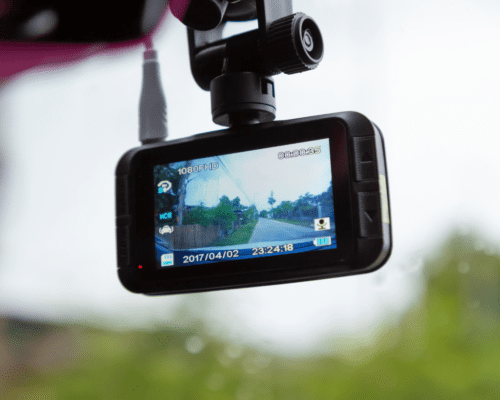
Dashcam footage can be crucial evidence in personal injury cases across California. Dashcams, small cameras installed in vehicles to record the road ahead, have gained popularity due to their ability to accurately capture accidents and incidents on the road. In this article, we’ll explore how dashcam footage can significantly impact the outcome of a Pasadena personal injury case and the steps involved in obtaining and utilizing this valuable evidence.
How Can Dashcam Footage Impact a Pasadena Personal Injury Case?
Dashcam footage plays a major role in Pasadena car accident cases and can particularly influence the following factors:
- Establishing liability: Dashcam footage provides irrefutable evidence of how an accident occurred, helping to establish fault. This can be particularly beneficial in cases where the fault is disputed.
- Clearing yourself of responsibility: If you’re wrongly accused of causing an accident, dashcam footage can exonerate you by showing your adherence to traffic laws and safe driving practices.
- Contradicting the other driver’s version of events: Sometimes, the other driver may provide a different account of the accident. Dashcam footage can refute false claims and highlight discrepancies in their story.
- Demonstrating the severity of the crash: Dashcam footage captures the impact and aftermath of an accident, providing visual evidence of the severity of injuries and property damage.
How To Obtain Dashcam Footage
To obtain dashcam footage for your personal injury case, you’ll first want to consult with a Pasadena car accident lawyer who is experienced in obtaining such evidence. Your attorney will get to work on collecting the footage by taking the following steps:
- Identify the dashcam: If you’re seeking footage from a specific incident, you need to identify the vehicle equipped with the dashcam that could have captured the event. This could involve witness accounts, reviewing CCTV footage, or identifying the vehicle involved.
- Locate the owner: Once you’ve identified the vehicle, you need to locate the owner. Depending on the situation, this could involve contacting law enforcement if the incident were recorded in a public space or using any available information to trace the owner through vehicle registration databases or other means.
- Contact the owner: Reach out to the vehicle owner and explain the situation. Be clear and concise about why you need the footage and provide any relevant details about the incident. It’s essential to be respectful and considerate in your communication.
- Request the footage: Ask the owner if they will share the dashcam footage with you. Be prepared to explain why you need it and how it could be beneficial. Offer to provide any necessary equipment or assistance in retrieving the footage if the owner is unsure about how to access it.
- Obtain the footage: Once the owner agrees to share the footage, arrange a method for obtaining it. This could involve physically collecting an SD card from the dashcam, transferring the footage electronically, or any other agreed-upon method. Make sure to express gratitude for their cooperation and handle the footage responsibly and in accordance with any applicable laws or regulations.
How To Use Dashcam Footage in Court
To effectively use dashcam footage in court, you will want to enlist the services of an experienced personal injury lawyer who can assist you with preparation. You and your attorney can work together to create a clear timeline of events based on the footage, highlighting key moments and relevant details. It’s important to utilize expert witnesses who can explain any technical aspects of the footage, such as speed, distance, or visibility, to provide credibility to your case.
During this phase, you’ll want to prepare yourself to testify about your recollection of the accident, aligning your testimony with the evidence presented in the footage. Make sure to recount your experience accurately and confidently to enhance your credibility before the court. By combining a well-constructed timeline and expert testimony with the help of your attorney, you can strengthen your case and present a compelling argument in court.
Potential Challenges and Limitations
While dashcam footage can be valuable in personal injury cases, its availability and admissibility aren’t guaranteed. Personal injury lawyers often encounter challenges such as poor quality or unclear footage, hindering its effectiveness as evidence. Establishing a reliable chain of custody can prove to be problematic, potentially raising doubts about the authenticity of the footage.
Furthermore, opposing counsel may raise objections to its relevance or authenticity, leading to legal disputes and potential exclusion from court proceedings. Despite its potential benefits, attorneys must navigate these hurdles carefully, supplementing dashcam evidence with other forms of proof to bolster their case effectively.
Navigate Your Pasadena Auto Accident Case with Vardanyan Law Firm
Despite potential challenges, the right attorney can help you maximize the benefits of dashcam footage in your Pasadena personal injury case. That’s where Vardanyan Law Firm comes in. Our Pasadena legal team knows how to use dashcam footage strategically and effectively, and you can count on our dedicated guidance and support throughout the legal process.
Give us a call at (747) 227-7308 to schedule a free consultation today.